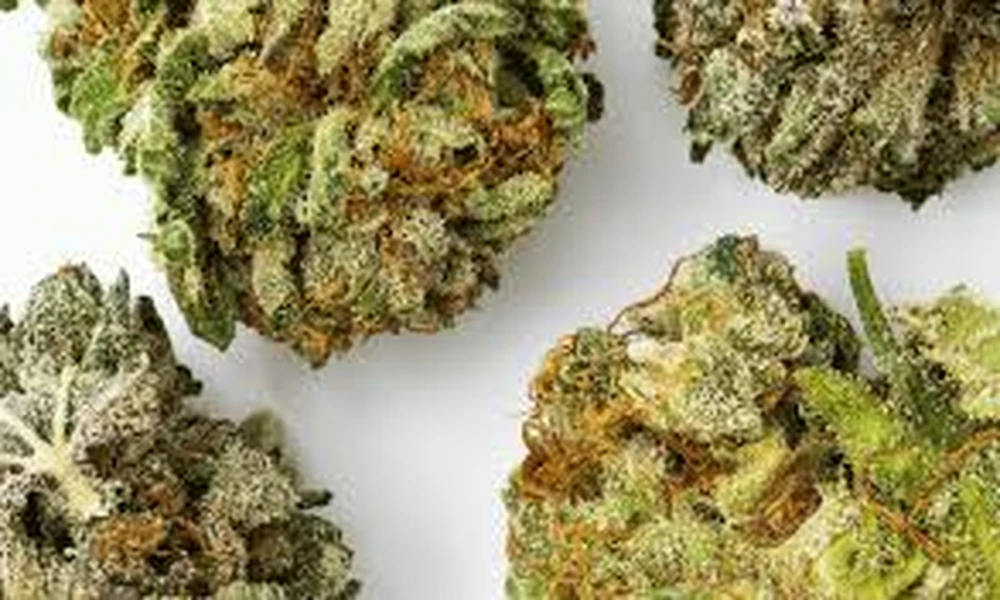

When you ask five growers which method is better, they will give five different answers. Most of them will defend whatever setup they have already invested in. Part of the reason this debate never settles is because of that. There is no objectively superior method. Flowers are sold in different environments, and those priorities may not always be aligned with what shoppers are looking for.
Indoor rooms cut the plant off from the outside world completely. Timers control the light, sensors hold humidity steady, filtered air moves through in a loop, and the plant experiences close to identical conditions from one day to the next across an entire flowering cycle. Greenhouses take a middle path. Sunlight still does the heavy lifting, but a structure overhead, along with vents and shade cloth, keeps the worst of the weather from reaching the crop. Anyone who likes to see the strain before buying will usually spot these environmental differences with their eyes alone, long before any lab result gets pulled up.
Trichome development
Trichomes hold most of a plant’s cannabinoid content, and how densely they develop has more to do with light intensity and consistency than genetics on their own. An indoor room hammers the plant with the same light spectrum, same intensity, day after day, for months straight. That kind of repetition tends to build dense, even trichome coverage across a bud.
Greenhouse plants deal with light that shifts constantly. Strong at noon. Weaker at the edges of the day. Occasional cloud cover cuts the intensity for hours at a stretch. None of that ruins trichome production outright, but it does open the door to more unevenness from harvest to harvest. A greenhouse crop pulled through a stretch of clear, sunny weeks can look nearly identical to an indoor flower. Grow that same strain during a cloudy season, though, and the difference in trichome density becomes obvious fast.
Curing matters more than people think
Curing barely gets mentioned in most comparisons, yet it affects how potent a bud feels almost as much as the growing conditions themselves do.
Indoor flowers usually leave the plant with moisture levels that are easier to predict. Humidity stayed controlled the whole way through flowering, so there’s less guesswork at harvest.
Greenhouse flower doesn’t get that luxury. Outdoor humidity swings during the final stretch before harvest can leave moisture content all over the place. Growers deal with this by stretching out drying time or adjusting how often jars get burped during cure. Done right, this closes most of the gap between the two methods. Rushed, and whichever method already had more variability tends to show it.
What do the lab numbers actually say?
A cannabinoid percentage on a label is genetics, growing conditions, and harvest timing all mixed together, not one factor working in isolation. Strong genetics grown poorly indoors can still lose out to a well-managed greenhouse harvest running the same strain. Terpenes react to the environment even more than cannabinoids do. Temperature swings, something greenhouses see far more of, can actually protect certain terpene profiles that steady indoor heat sometimes flattens out over a long cycle. So a greenhouse bud might come in slightly under an indoor equivalent on raw cannabinoid percentage and still smell and taste noticeably more distinct.
Neither method wins outright here. Indoor delivers more uniform results, harvest after harvest, which is exactly what matters to someone who wants predictability above everything else. Greenhouse growing brings in more natural variation. Sometimes that costs density and visual appeal. Other times, it adds a depth to flavour and aroma that indoor flowers don’t reach as often.